
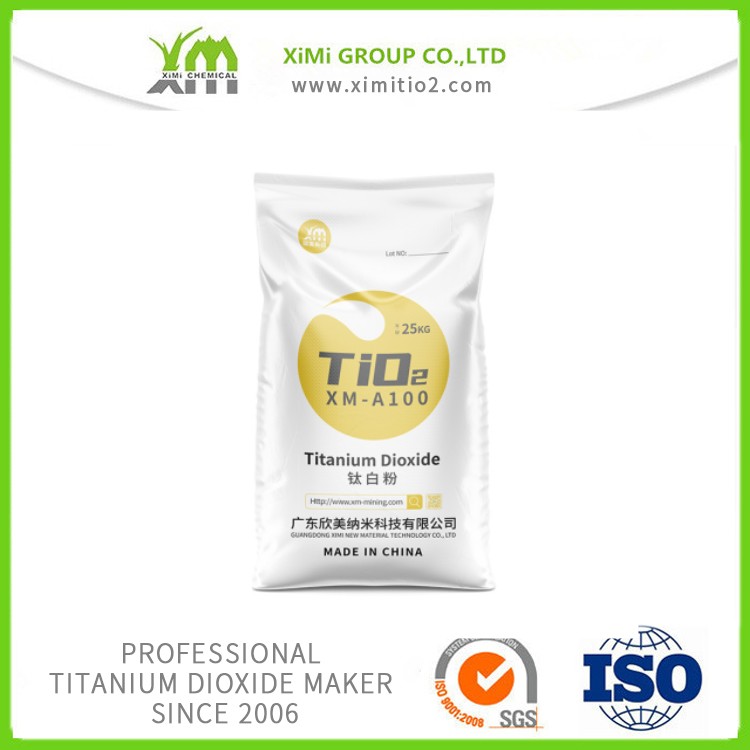
In 2022, the titanium dioxide market experienced significant fluctuations, driven by a complex interplay of global economic factors, supply chain disruptions, and shifting demand across key industries. As a vital component widely used in paints, coatings, plastics, paper, and cosmetics, titanium dioxide remains a critical material whose pricing dynamics closely reflect broader industrial trends.
### Overview of Titanium Dioxide Market in 2022
The year 2022 was marked by considerable volatility in titanium dioxide prices. Following a surge in demand post-pandemic, which had already tightened supply, the market saw prices escalate due to raw material shortages, increased production costs, and logistical challenges. Energy costs, particularly, played a pivotal role in price adjustments since the manufacturing of titanium dioxide is energy-intensive.
Manufacturers have also been grappling with environmental regulations, particularly those involving emissions and waste management, which have added to operational costs. Furthermore, geopolitical tensions impacting trade patterns and material availability contributed to supply uncertainty.
### Price Trends and Influencing Factors
Starting the year with relatively high prices, titanium dioxide saw incremental increases in the first half of 2022. The demand recovery from industries such as automotive, construction, and packaging boosted consumption levels, reinforcing market tightness. However, mid-year, certain moderation occurred due to slowing economic indicators and cautious inventory restocking by end consumers amid inflation concerns worldwide.
The latter part of the year witnessed renewed upward pressure on prices attributed to raw material cost surges, particularly titanium ores, and sulfate and chloride feedstocks. Additionally, the persistent increase in freight and energy expenses further tightened margins for producers, inevitably resulting in higher market prices.
### Product Segment Insights
Titanium dioxide is primarily categorized into two crystal forms: rutile and anatase/'>anatase, each serving distinct industrial applications. Rutile titanium dioxide, known for its superior durability and brightness, is predominantly used in high-performance coatings and plastics. Anatase titanium dioxide, while less durable, offers benefits in certain applications such as cosmetics and paper coatings due to its optical properties.
Additionally, production methods differentiate products further. Chloride process titanium dioxide, often favored for its high purity and brightness, commands a premium price compared to sulfate process variants. The fiber titanium dioxide segment, though more specialized, has gained attention for applications requiring enhanced physical properties.
### Industry Expertise and Manufacturing Excellence
Among manufacturers navigating this complex market landscape is a company with over 17 years of rich experience in titanium dioxide production. Their expertise encompasses a comprehensive range of products, including rutile titanium dioxide, anatase titanium dioxide, chloride titanium dioxide, and fiber titanium dioxide. This diversity allows them to cater to various industry demands, leveraging a professional sales team adept at addressing customer needs with tailored solutions.
Their commitment to quality and innovation has positioned them as reliable partners in the supply chain, especially amid a turbulent pricing scenario. By maintaining efficient production processes and focusing on sustainable practices, they have contributed to stabilizing supply and offering competitive pricing strategies.
### Future Outlook
Looking ahead, the titanium dioxide market is expected to continue reflecting broader macroeconomic factors. Sustainability initiatives and environmental regulations will likely drive technological advancements, optimizing production efficiency and reducing ecological impacts. Furthermore, ongoing research into alternative materials and improved recycling methods may influence demand trajectories in the medium term.
Manufacturers with versatile product portfolios and experienced teams are anticipated to navigate these challenges effectively, adapting to evolving customer requirements and market conditions. Continued collaboration across the value chain will be critical to stabilizing prices and ensuring the availability of high-quality titanium dioxide products.
### Conclusion
The titanium dioxide pricing landscape in 2022 underscored the material’s strategic importance and the sensitivities inherent in its supply-demand balance. Despite facing challenges such as raw material price spikes, energy cost inflation, and regulatory pressures, experienced manufacturers have managed to sustain operations and meet diverse industrial needs.
As industries worldwide seek reliable and high-performance titanium dioxide products, companies leveraging extensive production expertise and professional sales capabilities stand ready to support market growth. Their role will remain pivotal in shaping the titanium dioxide market’s future, ensuring resilience amid shifting economic and environmental frameworks.