In recent months, the global market for titanium dioxide has witnessed notable fluctuations in price, driven by a combination of supply chain constraints, rising raw material costs, and shifting demand across various industries. Titanium dioxide (TiO2), a critical pigment widely used in paints, coatings, plastics, paper, and cosmetics, continues to be an essential commodity with prices typically measured per kilogram. Understanding the cost dynamics and the players involved offers valuable insight into how this key raw material is shaping manufacturing and industrial trends worldwide.
### Current Cost of Titanium Dioxide Per Kg
As of now, the cost of titanium dioxide per kilogram varies depending on the grade and specific type of TiO2 produced. Rutile and anatase/'>anatase are the two primary crystalline forms, with rutile generally commanding a higher price due to its superior durability, brightness, and opacity. Additionally, production methods such as chloride/'>chloride and sulfate processes impact cost structures.
Industry reports indicate that prices for titanium dioxide have seen upward pressure, with average costs per kg rising to ranges between $3.50 and $5.00 USD in many regional markets. These prices reflect increased demand from end-user sectors, environmental regulation-induced supply limitations, and logistical challenges that have constrained availability. Furthermore, specialty types like fiber titanium dioxide, which is engineered for enhanced performance characteristics, often carry a premium above standard grades.
### Driving Factors Behind Price Increases
Several factors contribute to the evolving titanium dioxide pricing landscape:
- **Raw Material Costs:** The price of ilmenite and other titanium-rich minerals used as feedstock has surged due to mining restrictions and geopolitical uncertainties in key producing countries.
- **Energy Prices:** TiO2 manufacturing is energy-intensive, particularly the chloride process. Rising energy costs directly affect production expenses, pushing up the final product price.
- **Supply Chain Disruptions:** Global logistics challenges, including container shortages and port congestions, have delayed deliveries and raised shipping costs.
- **Environmental Regulations:** Stricter environmental policies compel manufacturers to invest in cleaner, more costly production technologies, which tends to elevate costs.
- **Demand Recovery:** As industrial activities rebound post-pandemic, sectors such as automotive, construction, and consumer goods have increased TiO2 consumption, tightening supply-demand balances.
### Titanium Dioxide Manufacturer Spotlight: XiMi
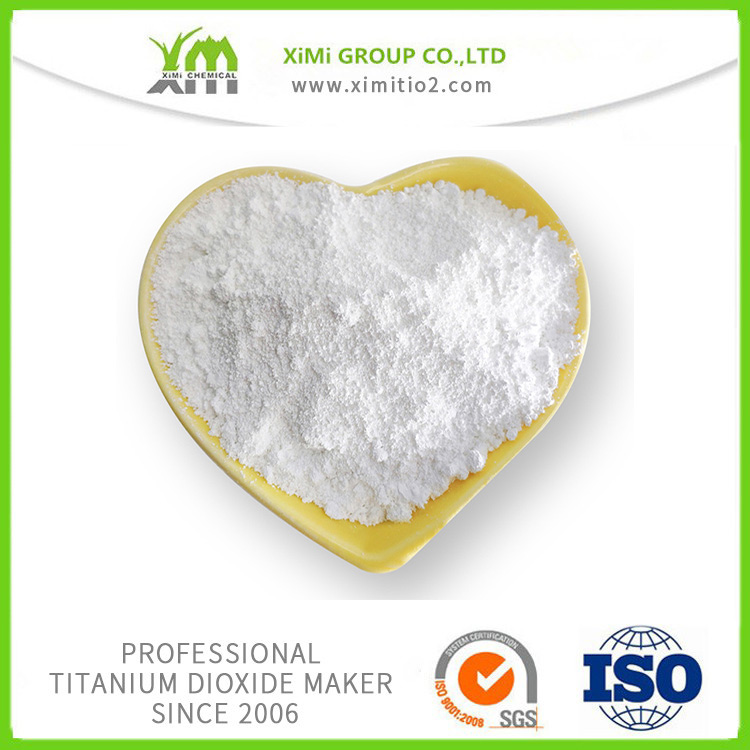
In this context, manufacturers like XiMi play a crucial role in addressing market needs. With 17 years of extensive industry experience, XiMi has established itself as a reputable producer of titanium dioxide, backed by a professional sales team proficient in navigating these complex market conditions.
XiMi specializes in producing a diverse range of titanium dioxide products, including:
- **Rutile Titanium Dioxide:** Known for its exceptional brightness and weather resistance, ideal for high-quality coatings and paints.
- **Anatase Titanium Dioxide:** Preferred in applications requiring photocatalytic properties and in certain plastic and paper products.
- **Chloride Titanium Dioxide:** Manufactured through a chloride process, yielding high-purity pigment with consistent particle size distribution.
- **Fiber Titanium Dioxide:** A specialized form designed to enhance properties such as opacity and UV resistance in advanced applications.
The company’s commitment to quality and innovation enables it to meet diverse customer requirements despite the challenges posed by current market conditions. XiMi’s broad product portfolio allows it to cater to various industry sectors, including construction, automotive, plastics, and coatings, providing tailored solutions suited to specific application needs.
### Market Outlook and Industry Trends
Looking forward, analysts project that titanium dioxide prices will remain relatively elevated through the remainder of the year, owing to sustained demand growth and ongoing supply-side constraints. However, investments in supply chain optimization and capacity expansion by key manufacturers may moderate cost pressures over time.
Emerging trends influencing the titanium dioxide market include:
- **Sustainability Initiatives:** Manufacturers are exploring greener production methods and recycling opportunities to reduce the environmental footprint associated with TiO2 manufacturing.
- **Product Innovation:** Development of nano-sized titanium dioxide and fiber-enhanced pigments is driving enhanced performance in coatings, plastics, and cosmetics.
- **Regional Market Dynamics:** Increasing industrialization in Asia Pacific and shifting manufacturing hubs are altering demand and supply patterns globally.
### Conclusion
The current rise in the cost of titanium dioxide per kilogram reflects a complex interplay of factors ranging from raw material shortages to regulatory impacts and burgeoning demand. Companies like XiMi, with their seasoned expertise and diversified product offerings, are well-positioned to help clients navigate the evolving landscape, ensuring a steady supply of high-quality titanium dioxide pigments.
As industries continue to adapt to changing market realities and prioritize innovation and sustainability, titanium dioxide remains at the heart of many essential manufacturing processes. Staying informed about pricing trends and industry developments is critical for stakeholders aiming to optimize procurement strategies, production workflows, and end-product quality in this vital sector.